
Modern Interior Design Principles
In the ever-evolving landscape of home decor, modern interior design principles stand as a beacon of creativity and functionality, guiding homeowners towards creating spaces that are both stylish and comfortable. At its core, modern design is about simplicity and elegance, characterized by clean lines, a neutral color palette, and an emphasis on open spaces. This approach not only enhances the aesthetic appeal of a home but also supports a lifestyle of tranquility and order.
One of the fundamental principles of modern interior design is minimalism. Less is indeed more, as this design ethos emphasizes the importance of decluttering and focusing on essential elements. By reducing the number of items in a room, you allow each piece to shine, contributing to a serene and uncluttered environment. This not only makes your space feel more expansive but also highlights the architectural elements of your home that might otherwise go unnoticed.
Natural Light and Neutral Colors
Natural light plays a crucial role in modern interiors. Large windows and open spaces are designed to let in as much light as possible, enhancing the sense of openness and warmth. Coupled with a neutral color palette, which often includes whites, greys, and earth tones, the space feels airy and welcoming. Neutral colors serve as a versatile backdrop, allowing for easy integration of textures and materials such as wood, metal, and glass, which are frequently used in modern design to add depth and interest.
Functionality and Form
Functionality is another cornerstone of modern interior design. Every piece of furniture and decor should serve a purpose, balancing form with function. This principle is evident in the use of multi-functional furniture that maximizes space without compromising on style. For instance, a sleek sofa bed can act as both a comfortable seating area and a guest bed, while modular shelving units provide storage and display space in one.
By embracing these modern interior design principles, homeowners can create a living environment that is not only beautiful but also conducive to their day-to-day lives. Emphasizing simplicity, light, and functionality, modern design offers a pathway to a home that reflects both personal style and practical needs.
The Role of Furniture in a Modern Home
In the landscape of modern interior design, furniture plays an indispensable role not only as functional pieces but also as defining elements of style and personal expression. A modern home is characterized by its seamless integration of form and function, where furniture serves as a bridge between aesthetic allure and practical utility.
Functionality Meets Aesthetics
Modern furniture is crafted with a keen focus on functionality, ensuring that each piece serves a purpose while contributing to the overall aesthetic of the home. This dual approach is evident in multifunctional furniture, such as sofa beds, extendable dining tables, and storage ottomans, which maximize space without compromising on style. By choosing furniture that balances these aspects, homeowners can create a harmonious environment that reflects contemporary living.
Personal Expression Through Design
Gone are the days when furniture was merely a utilitarian necessity. Today, it is a form of personal expression, allowing homeowners to convey their tastes and preferences through varied materials, colors, and designs. Whether opting for minimalist Scandinavian lines, bold industrial elements, or cozy rustic touches, the choice of furniture can transform the ambiance of a room, making it uniquely yours.
Creating Cohesion
Furniture in a modern home should not only stand out individually but also contribute to the cohesiveness of the space. This involves curating pieces that complement each other in terms of color palette, texture, and style, creating a fluid and inviting atmosphere. Thoughtful selection of furniture helps in achieving a consistent theme, which enhances the overall design narrative of the home.
As you embark on your journey to furnish your modern home, remember that each piece is an opportunity to enhance both functionality and beauty.
Incorporating Décor for a Luxurious Touch
Transforming your living space into a haven of luxury doesn’t necessitate a complete overhaul; instead, it’s about the thoughtful integration of refined elements that exude elegance and sophistication. Whether you’re aiming to impress guests or simply create a sanctuary for yourself, the right décor can elevate your home’s aesthetic.
Choose Quality Materials
Investing in high-quality materials is paramount when aiming for a luxurious feel. Opt for plush fabrics such as velvet, silk, or cashmere for your throw pillows and blankets. These materials not only look opulent but also add a layer of comfort. Similarly, selecting furniture made from solid wood or featuring marble accents can lend a sense of grandeur to your living areas.
Integrate Statement Pieces
Statement pieces serve as focal points and can dramatically enhance the perceived value of your home. Consider investing in a bold, contemporary art piece or a striking chandelier that draws the eye and sparks conversation. These elements not only showcase your personal taste but also create a narrative of luxury within your space.
Incorporate Subtle Accents
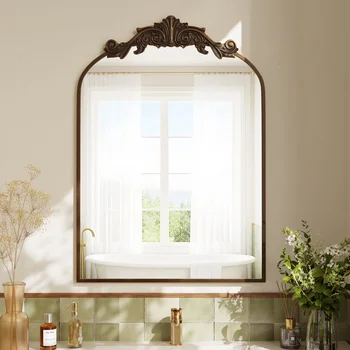
While statement pieces are essential, subtle accents play a crucial role in tying the overall look together. Integrate decorative items like polished brass vases or intricately designed mirrors to add sophistication without overwhelming the room. These details contribute to a cohesive, luxurious ambiance.
By carefully selecting and integrating these elements, you can transform your home into a modern and stylish retreat. Remember, luxury is often found in the details, so focus on creating a space that reflects your personal style while embracing elegance.
Choosing the Right Color Palette for Elegance
Creating a modern and stylish home begins with selecting the right color palette, a task that intertwines creativity with strategy. The colors you choose should reflect both the aesthetic you desire and the ambiance you want to cultivate within your living space. This decision plays a pivotal role not only in enhancing your home’s visual appeal but also in influencing the mood and comfort levels within each room.
To embark on this journey towards elegance, start by considering the purpose of each room. For instance, in spaces meant for relaxation, such as the bedroom or living room, softer hues like pastel blues, gentle greys, and warm beiges can evoke a sense of calm and serenity. These colors serve as a soothing backdrop, allowing the mind to unwind and the body to relax.
Applying Contrast for Visual Interest
While a monochromatic scheme offers simplicity, introducing contrast through accent colors can add depth and intrigue. Pairing neutral walls with bold, vibrant accents—such as cushions, artwork, or light fixtures—can transform a minimalist space into a dynamic one. Consider using shades like deep navy or rich emerald to highlight architectural features or to create focal points that draw the eye.
Natural Light and Its Influence
Another crucial factor is the interplay between natural light and chosen colors. Rooms basking in ample sunlight can accommodate darker tones without feeling oppressive, while dimly lit spaces benefit from lighter, reflective colors that amplify the available light. Therefore, assess the natural light in each room before finalizing your palette, ensuring that your selections enhance the light rather than diminish it.
Ultimately, the right color palette should align with your personal style while facilitating the intended function of each room. Whether you opt for a serene sanctuary or a vibrant gathering space, the colors you choose will set the tone for your entire home.
Enhancing Texture for Depth and Interest
In the realm of modern interior design, texture is an often-overlooked element that can profoundly transform a space from flat and mundane to rich and inviting. By thoughtfully incorporating various textures, you can create a home that exudes both depth and visual interest. This approach not only aligns with the contemporary aesthetic but also caters to the evolving tastes of homeowners seeking to infuse their living spaces with personality and warmth.
Understanding the Basics of Texture
Texture in home design refers to the surface quality of an object, whether it’s smooth, rough, soft, or hard. It plays a pivotal role in how we perceive and interact with our environment. Mixing different textures can elevate a room, making it more dynamic and engaging. For instance, pairing a sleek, polished coffee table with a plush, velvety sofa can create an appealing contrast that draws the eye.
Practical Tips for Adding Texture
- Layer Rugs: Use a combination of rugs in different materials and patterns to add a cozy, layered feel to any room.
- Introduce Natural Elements: Incorporate materials like wood, stone, or woven fibers to bring an element of nature indoors, enhancing both texture and warmth.
- Play with Fabrics: Mix and match fabrics such as leather, linen, and velvet to add depth to your furniture and accessories.
- Art and Accessories: Choose artwork and decorative items with varied textures to create focal points and interest within your space.
By thoughtfully integrating these elements, you can transform your home into a sanctuary that not only reflects modern sensibilities but also provides a tactile experience for all who enter. As you explore the possibilities of texture, remember that each choice should resonate with your personal style, ultimately crafting a space that feels uniquely yours.




0 Comments