
The Perfect Mix
Integrating modern décor with timeless design elements is a balancing act that, when executed with finesse, can create spaces that are both contemporary and enduring. The essence of achieving this perfect mix lies in understanding the core characteristics of both styles and how they complement each other.
Modern décor is characterized by its simplicity, clean lines, and a focus on function. It often incorporates neutral color palettes, sleek finishes, and minimalist furnishings. On the other hand, timeless design elements offer a sense of history and character, featuring classic patterns, rich textures, and enduring materials such as wood and stone. When these two styles converge, they create a harmonious environment that exudes sophistication and warmth.
Strategies for Blending Styles
- Start with a Neutral Base: Use a neutral color palette as the foundation of your design. This allows for greater flexibility in incorporating both modern and timeless elements without overwhelming the space.
- Incorporate Classic Patterns: Introduce classic patterns like herringbone or chevron in small doses through rugs, throw pillows, or artwork to add a touch of timelessness.
- Mix Materials: Combine modern materials such as glass and metal with traditional ones like wood and leather to create a layered look.
Ultimately, the goal is to craft a space that feels both current and grounded in tradition. By consciously selecting pieces that offer the best of both worlds, you not only enhance the aesthetic appeal of your home but also ensure that it remains stylish for years to come.
Understanding Timeless Design Elements
In the world of interior design, certain elements stand the test of time, transcending fleeting trends and fads. Understanding these timeless design elements is crucial for anyone looking to blend modern décor with classic aesthetics, creating spaces that are both stylish and enduring.
Key Characteristics of Timeless Design
Timeless design is characterized by its simplicity, neutrality, and functionality. Often, it involves elements that have been proven to remain relevant and attractive despite changing styles. Here are some characteristics:
- Neutral Colors: Timeless design often relies on a palette of whites, grays, and beiges, which provide a versatile backdrop for any room and allow other elements to shine.
- Classic Materials: Natural materials such as wood, stone, and metal not only age beautifully but also add a sense of authenticity and warmth to interiors.
- Simplicity and Functionality: Timeless spaces prioritize clean lines and uncluttered appearances, focusing on the utility of each piece.
Why Timeless Design Matters
Embracing timeless design elements in your home doesn’t just elevate its aesthetic appeal; it also adds value by ensuring that the space remains fashionable and functional for years to come. These elements can serve as a foundation upon which modern décor can be layered, allowing you to experiment with trends without sacrificing elegance.
When integrating timeless design with modern elements, consider the overall harmony of the space. Ensure that modern touches complement rather than overpower the timeless features. This balance not only enhances visual appeal but also supports your intention to create a comfortable, inviting environment that reflects your style.
Selecting the Right Modern Furniture and Accessories
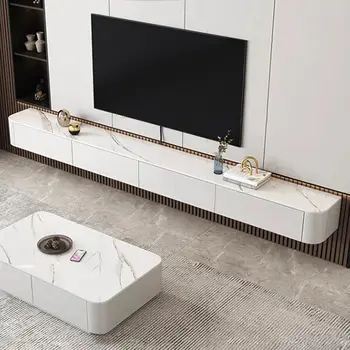
In the quest to blend modern décor with timeless design elements, selecting the right furniture and accessories is paramount. This step sets the tone for the entire space, ensuring a harmonious balance between contemporary trends and enduring elegance. When choosing modern furniture, prioritize pieces that offer clean lines, neutral colors, and functional designs. These attributes provide a sleek and sophisticated look while allowing room for classic elements to shine.
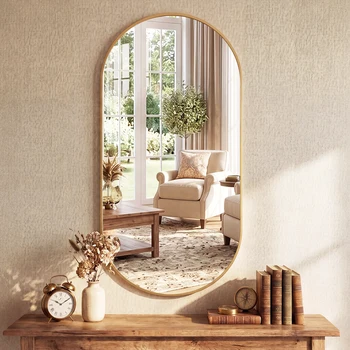
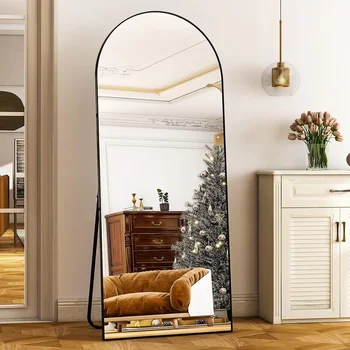
Consider incorporating items like minimalist coffee tables, streamlined sofas, or modular shelving units. Such selections not only enhance the modern aesthetic but also provide practicality and flexibility—hallmarks of timeless design. Accessories, meanwhile, should be curated with a discerning eye. Opt for statement lighting fixtures, such as a geometric chandelier or an elegant floor lamp, which can serve as the focal point of a room. Textures and materials can also play a crucial role; think about integrating glass, metal, or natural wood to add depth and interest.
Furthermore, the art of mixing styles involves a careful curation of color palettes. A monochromatic scheme with subtle pops of color can effectively bridge the gap between modern and timeless. Strategic use of textiles, like throw pillows or area rugs, can introduce warmth and contrast, enhancing the inviting feel of the space.
Ultimately, selecting modern furniture and accessories is about creating a dialogue between the past and present. By thoughtfully combining contemporary elements with classic details, you can craft a living environment that feels both cutting-edge and enduring.
Harmonizing Color Schemes for a Cohesive Look
In the realm of interior design, achieving a harmonious blend of modern décor and timeless design elements centers largely on the effective use of color schemes. The color palette you choose not only sets the mood for your space but also plays a crucial role in tying together diverse design elements into a cohesive look. By strategically selecting and combining colors, you can create an environment that feels both fresh and enduring.
Start by identifying a neutral base, such as whites, greys, or beiges, which can serve as the canvas for your design. These timeless hues lay the groundwork for layering in more vibrant colors and modern patterns. For instance, a living room with light grey walls can be enlivened with contemporary art pieces showcasing bold colors like teal or mustard, adding a splash of modernity while maintaining an elegant balance.
Furthermore, consider the use of accent colors to draw attention to key design features. A classic, vintage armchair upholstered in a rich navy or emerald can serve as a focal point, seamlessly integrating modern elements such as sleek metal or glass tables. This fusion not only preserves the charm of traditional design but also injects a modern twist, creating a dynamic visual interest.
Incorporating color through textiles—such as rugs, cushions, and curtains—provides an opportunity to experiment with trends without committing to permanent changes. This flexibility allows you to refresh your space seasonally, keeping it aligned with current trends while maintaining a timeless appeal.
Ultimately, the art of harmonizing color schemes lies in balance. By thoughtfully combining neutral bases with vibrant accents, and mixing modern patterns with classic elements, you can craft a space that feels cohesive and inviting. This approach not only enhances aesthetic appeal but also supports your business goals by fostering an environment that resonates with your audience, encouraging engagement, and driving conversions. Ready to begin your design journey? Explore our full product line to discover timeless pieces that complement your modern décor.
Incorporating Classic Shapes with Modern Materials
When it comes to interior design, the art of blending classic shapes with modern materials offers a unique way to create spaces that are both timeless and contemporary. This approach not only enhances aesthetic appeal but also reflects a deeper understanding of design history while embracing cutting-edge innovations. Homeowners looking to achieve this harmonious balance often face challenges in selecting the right elements that complement one another without clashing.
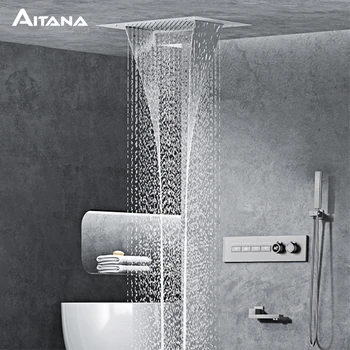
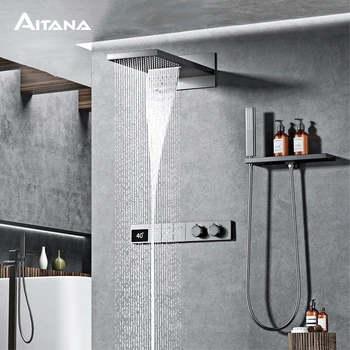
Classic shapes, such as the elegant curves of a Chesterfield sofa or the ornate profiles of antique moldings, serve as a nod to traditional design. These elements have stood the test of time, offering a sense of nostalgia and familiarity. To infuse a modern touch, consider using materials like polished metals, glass, or engineered woods. These materials provide a sleek contrast to the classic lines, helping to create a fresh, updated look.
Key Tips for Blending Styles
- Mix and Match Textures: Combine soft, plush textiles with sleek, hard surfaces to create a tactile experience that engages the senses.
- Choose a Neutral Palette: A color scheme that leans towards neutral shades allows the shapes and materials to stand out without overwhelming the space.
- Focus on Balance: Ensure that no single element overpowers the others. The goal is harmony, where both classic and modern pieces coexist seamlessly.
By thoughtfully selecting and integrating these elements, your home can achieve a blend of sophistication and modernity. Whether you are redecorating a single room or an entire home, remember that the key is in the details. Embrace the challenge with confidence, knowing that your efforts will result in a space that truly reflects your personal style.

0 Comments